

Hi!I’m U-shi!
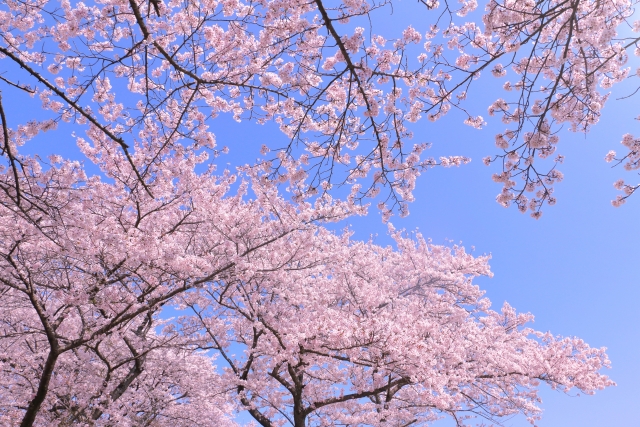
The season of Sakura has come around again. When we think of spring in Japan, undoubtedly, Sakura comes to mind for many. People from all over the world visit Japan to admire its beauty, and I myself feel this period is special. So, why does Sakura enchant so many people? In this article, we’ll explore the delicate beauty, rich history, and the deep cultural significance of Sakura in Japan.
The Origin of the Name ‘Sakura’
There are several theories about the origin of the name ‘Sakura’, but one of them suggests that the ‘Sa’ in Sakura means ‘the deity of the rice field’, and ‘kura’ means ‘the seat’ where the deity resides, implying that the deity of the rice field dwells in Sakura and blossoms flowers. Additionally, it is said that the term ‘Sakura’ originates from the flower’s vivid blooming nature, derived from ‘saku’ (to bloom).
History of Sakura
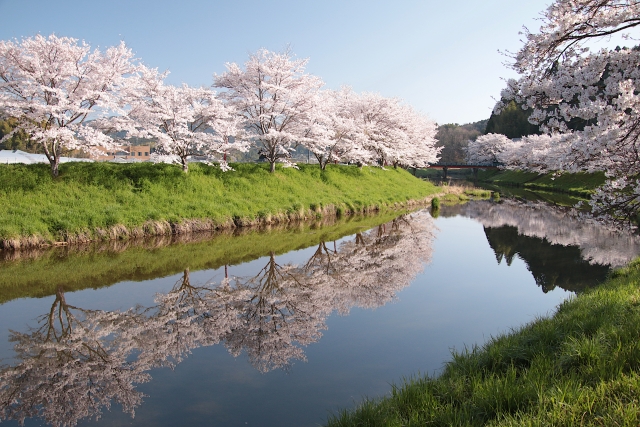
Many of the Sakura trees that naturally grow in Japan today have evolved over a long period and have been cultivated by human hands. The history of Sakura in Japan is very ancient, with Sakura flowers depicted on Haniwa (clay figures) of the Kofun period (3rd to 7th century) and many poems about Sakura included in the “Manyoshu” compiled during the Nara period (710-794).
During the Heian period (794-1185), Sakura was particularly beloved among the nobility, and the custom of Hanami (flower viewing) was born. Since then, Sakura has become a flower closely associated with the lives of Japanese people, deeply entwined with Japan’s nature and culture.
Sakura and the Japanese People
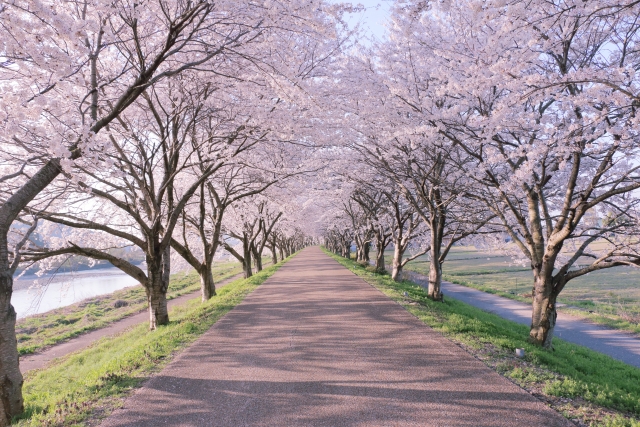
Sakura holds a special place for Japanese people. Hanami, conducted with the arrival of spring, serves as an occasion for socializing with family, friends, and colleagues. Moreover, Sakura symbolizes the concept of ‘Mono no aware’, a recognition of the transient nature of things, which is a unique Japanese aesthetic derived from the Buddhist teaching that nothing lasts forever. The fleeting moment when Sakura blooms brilliantly only to scatter soon after symbolizes the transient beauty and sadness of this world and has influenced many literary and artistic works.
Characteristics of Sakura
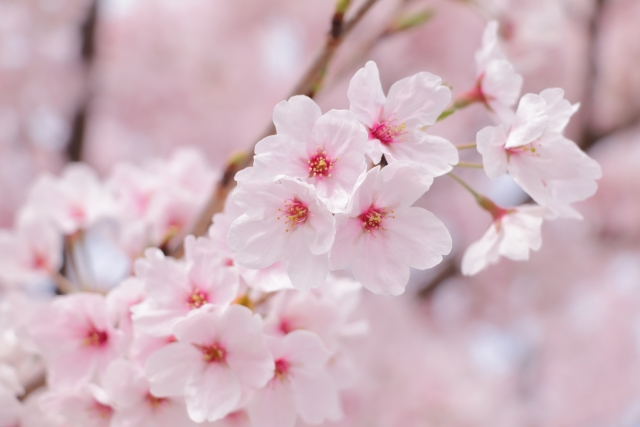
There are over 200 types of Sakura, offering a variety of colors from pink to white. The most famous type, Somei Yoshino, along with various other types, flourish across Japan. The blooming of Sakura is affected by the climate, typically reaching full bloom from late March to April, although the timing varies by region.
Places to See
Japan boasts countless famous spots for Sakura viewing. In Tokyo, Ueno Park and Chidorigafuchi; in Kyoto, the Philosopher’s Path and Arashiyama; in Hiroshima, the Itsukushima Shrine in Miyajima, each offers unique and beautiful Sakura scenery. The nighttime illumination events that showcase Sakura, or Yozakura, offer a different charm and atmosphere.
Finally
Sakura transcends mere plant life, serving as a bridge connecting Japan’s nature, culture, and the hearts of its people. Spending time under the Sakura trees is one of the experiences that most symbolically represent the charm of spring in Japan. When you visit Japan, I hope you take the opportunity to experience this wonderful scenery and feel the culture and history that Sakura brings.
コメント