
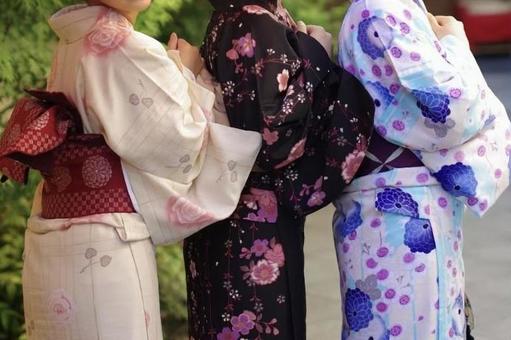

What’s the difference between a kimono and a yukata?
Yes, I’m U-shi!
Do you know the difference between a kimono and a yukata??
For visitors from abroad, understanding the difference between the kimono and yukata, Japan’s traditional garments, is the first step to deepening their appreciation of Japanese culture. This article will explain the features, history, and contemporary roles of each garment.
Features of Kimonos
History and Background
The kimono reflects Japan’s rich history and culture. Its prototype can be traced back to the Heian period, and it has evolved in form and significance over time. While kimonos were widely worn in daily life in the past, nowadays, they are often worn on special days and at ceremonial events.
Materials and Structure
Kimonos are made from silk, linen, wool, and other high-quality materials, but silk is the most common. They are known for their intricate decorations and patterns, produced through complex manufacturing processes. It is customary in Japan to change the material, color, and pattern of the kimono according to the season.
Features of Yukatas
History and Background
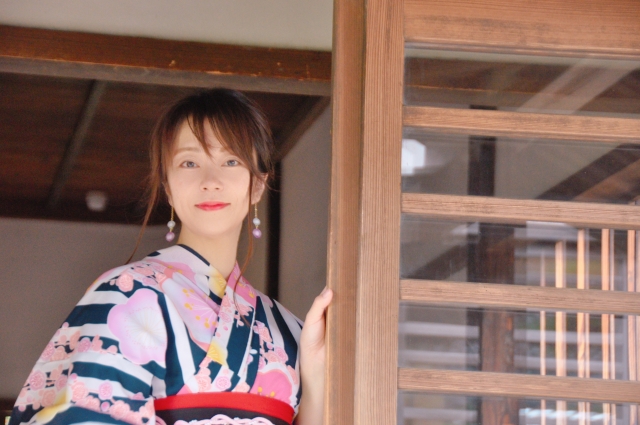
The origin of yukatas dates back to the Heian period, but they became popular among the general public during the Edo period. Initially used for drying off after a bath or as sleepwear, yukatas have become accepted as cool everyday wear in summer and are now positioned as casual attire for summer festivals and events.
Materials and Structure
Yukatas are primarily made from cotton and designed to be light and cool for the hot summer days. Besides cotton, materials like linen are also used, offering high absorbency and excellent breathability, making them perfect for the hot Japanese summer. Dressing in a yukata is simple, and even beginners can easily wear one.
Differences Between Kimonos and Yukatas
Wearing Scenes
Kimonos are worn at formal occasions such as weddings, tea ceremonies, and coming-of-age ceremonies, as well as seasonal events. On the other hand, yukatas are for relatively casual events like summer festivals and fireworks.
Materials and Dressing
Kimonos use expensive and delicate materials, and dressing requires specialized skills and time. In contrast, yukatas are made from lighter materials like cotton and linen, and dressing is easy, making them more accessible for beginners.
Patterns and Colors
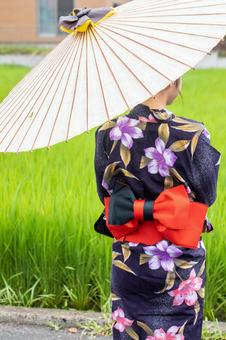
Kimono patterns are selected based on the season, the wearer’s age, and the formality of the occasion, generally featuring subdued colors and intricate patterns. Yukatas, as summer attire, are characterized by bright, festive colors and bold patterns, popular among the younger generation.
Finally
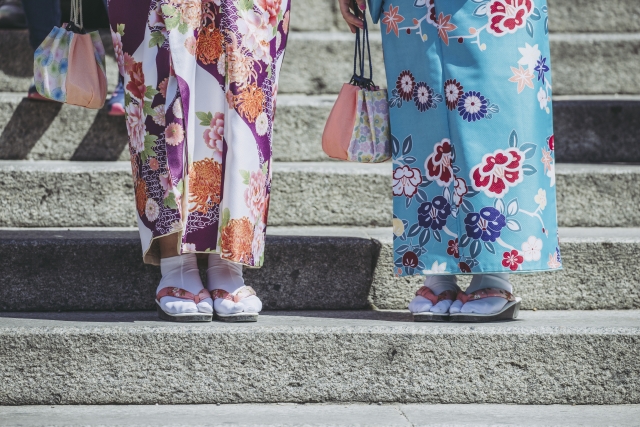
Kimonos and yukatas are not only beautiful in appearance but also symbolize Japanese culture and tradition. Through this article, I hope you can understand their differences and deepen your appreciation for Japanese culture. If you visit Japan, I encourage you to experience wearing these traditional garments.
コメント