

Hello, I’m U-shi! Throughout the year, various festivals are held across Japan. These festivals symbolize Japanese tradition, the charm of each region, and the ties within communities. In this article, we will introduce the history of Japanese festivals, their distinctive features, and how to enjoy them, in a way that is easy to understand for foreigners.
The History of Japanese Festivals
Japanese festivals often originate from agricultural practices or religious ceremonies. For example, rice planting festivals that pray for a bountiful harvest, or Setsubun, which involves driving away evil spirits to mark the change of seasons, show how closely nature and human life are intertwined. Many festivals also began as Buddhist or Shinto rituals, deeply connecting to the spirituality of the Japanese people since ancient times.
How to Enjoy Festivals
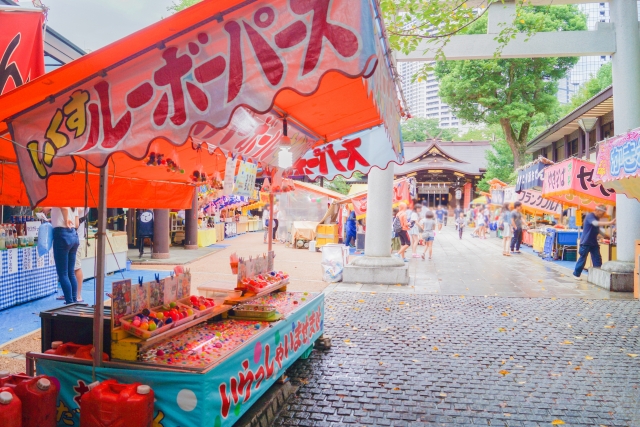
At Japanese festivals, numerous stalls sell local specialties. You can enjoy typical Japanese street food such as takoyaki, yakisoba, and candied apples. Festivals also frequently feature traditional dance and music performances, providing a great opportunity to experience local culture. Participatory festivals allow you to dance with the locals or carry portable shrines, offering a unique chance to immerse yourself in the Japanese community.
Introducing Festivals from All 47 Prefectures
1. Hokkaido – Yosakoi Soran Festival (Sapporo): A dynamic festival where Yosakoi dance meets the Soran bushi song, bringing energy to Sapporo.
2. Aomori – Nebuta Festival: Aomori’s summer is highlighted by enormous nebuta floats parading through the city.
3. Iwate – Morioka Sansa Odori: A festival in Morioka that features traditional dances and drumming.
4. Miyagi – Sendai Tanabata Festival: One of the three major Tanabata festivals in Japan, famous for its beautiful decorations throughout the city.
5. Akita – Kanto Festival: Night skies are brightened by 10-meter-tall lantern poles.
6. Yamagata – Hanagasa Festival: Dancers wear flower hats and move to traditional music.
7. Fukushima – Waraji Festival: Features a parade with giant straw sandals.
8. Ibaraki – Mito Plum Festival: Celebrated at Kairakuen, famous for its plum blossoms.
9. Tochigi – Ashikaga Fireworks: A historic summer-ending fireworks display.
10. Gunma – Haruna Lake Festival Fireworks: A summer spectacle with fireworks launched over the lake.
11. Saitama – Kawagoe Festival: Features gorgeous floats parading through the city, based around the Hikawa Shrine festival.
12. Chiba – Naritasan Shinshoji Temple Setsubun: A bean-throwing event featuring celebrities at Narita’s famous temple.
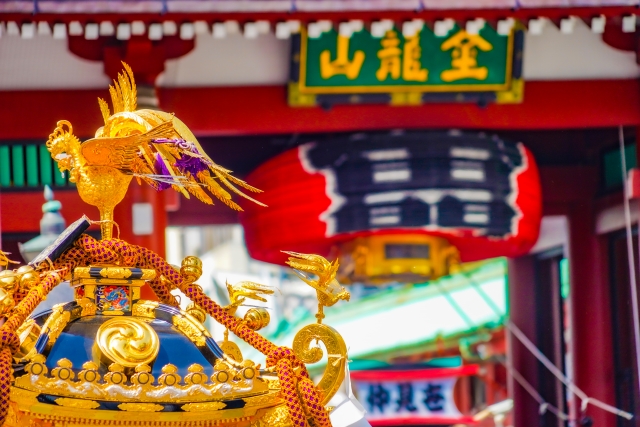
13. Tokyo – Sanja Matsuri: Known for its lively atmosphere, food stalls, and the parade of portable shrines through Asakusa.
14. Kanagawa – Kamakura Fireworks: A summer highlight with fireworks launched over the ocean at Yuigahama Beach.
15. Niigata – Nagaoka Festival Fireworks: One of Japan’s most famous fireworks displays, known especially for the “Phoenix” fireworks.
16. Toyama – Owara Kaze no Bon: One of Japan’s three major Bon Odori dances, known for its elegant and emotional performances.
17. Ishikawa – Hyakumangoku Festival: Celebrates the entry of Lord Maeda Toshiie into Kanazawa Castle with grand processions and cultural events.
18. Fukui – Mikuni Festival: A 300-year-old festival featuring grand maritime parades.
19. Yamanashi – Kofu Bon Odori: A traditional Bon dance festival in Kofu.
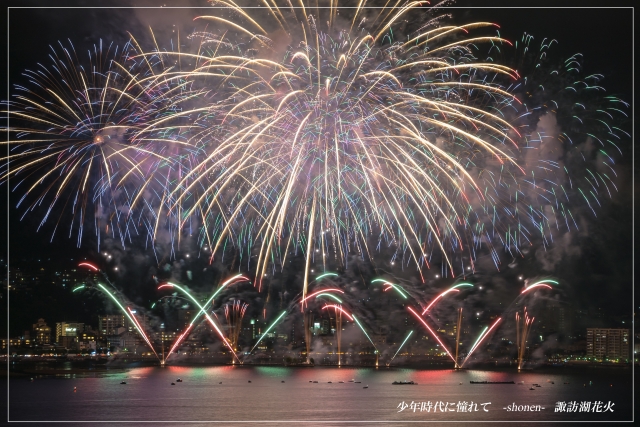
20. Nagano – Suwa Lake Festival Fireworks: One of Japan’s top fireworks displays set over the lake.
21. Gifu – Gifu Festival (Gifu Tenno Festival): Features elegant boats on the Nagara River.
22. Shizuoka – Shizuoka Festival: Celebrates the spring with events including a procession mimicking Lord Tokugawa Ieyasu’s army.
23. Aichi – Toyohashi Festival: Known for its grand parade of floats and lively taiko drum performances.
24. Mie – Kumano Fire Festival: A traditional event dedicated to the Fire God, expressing gratitude and reverence.
25. Shiga – Hikone Castle Festival: Features historical reenactments in the surroundings of the iconic Hikone Castle.
26. Kyoto – Gion Festival: Famous for its elaborate float procession, this is one of Japan’s most renowned festivals,celebrating Kyoto’s rich history and culture throughout July.
27. Osaka – Tenjin Festival: One of Japan’s three great festivals, known for its impressive boat procession and lively atmosphere.
28. Hyogo – Nada no Kenka Matsuri: A unique festival in Himeji, characterized by energetic shrine clashes, symbolizing a form of ritualistic combat.
29. Nara – Omizutori (Water Drawing Festival) at Todaiji Temple: An ancient and sacred event marking the end of winter and the purification of spirits.
30. Wakayama – Kishiwada Danjiri Festival: Features local teams passionately racing elaborately carved wooden floats through the streets.
31. Tottori – Shan-Shan Festival: Celebrated with a large gathering of umbrella dancers, creating a visually stunning effect.
32. Shimane – Izumo Taisha Grand Festival: Held at one of Japan’s oldest and most significant Shinto shrines, focusing on traditional rituals and dances.
33. Okayama – Kurashiki Tenryo Festival: Takes place in the historic Bikan district, featuring traditional boat parades and cultural performances.
34. Hiroshima – Miyajima Water Fireworks Festival: Set against the backdrop of Itsukushima Shrine, this festival combines traditional fireworks with a floating torii gate.
35. Yamaguchi – Hagi Jidai Festival: A cultural festival in Hagi, celebrating its samurai and feudal heritage with parades and historical reenactments.
36. Tokushima – Awa Odori: One of the largest dance festivals in Japan, part of the Obon celebration, featuring Tokushima’s traditional “Awa Dance.”
37. Kagawa – Sanuki Takamatsu Festival: Celebrated in Takamatsu with vibrant dance performances and street parades.
38. Ehime – Matsuyama Festival: A lively event in Matsuyama, combining traditional dances, taiko performances, and a grand fireworks display.
39. Kochi – Yosakoi Festival: A modern festival known for its colorful costumes, energetic dance routines, and the use of naruko (clappers).
40. Fukuoka – Hakata Gion Yamakasa: Famous for its race of lavishly decorated floats, carried by teams through the streets of Hakata.
41. Saga – Karatsu Kunchi: Features massive, unique floats shaped like helmets, dragons, and other figures paraded through Karatsu.
42. Nagasaki – Nagasaki Kunchi: An autumn festival incorporating Dutch and Chinese influences, reflecting the city’s cosmopolitan history.
43. Kumamoto – Yamaga Lantern Dance Festival: Celebrated in Yamaga, where women wear kimono and dance with lanterns on their heads.
44. Oita – Beppu Onsen Festival: A week-long festival celebrating Beppu’s hot springs, featuring parades, dance, and onsen-related events.
45. Miyazaki – Hyuga Hyottoko Festival: A summer festival in Hyuga, featuring folk dances and the distinctive Hyottoko masks.
46. Kagoshima – Ohara Matsuri: A vibrant dance festival in Kagoshima, with thousands of dancers performing in the streets.
47. Okinawa – Naha Great Tug-of-War: A historic festival in Naha, featuring a massive tug-of-war, symbolic of bringing good fortune and health to participants.
Finally
Each of these festivals showcases the diverse cultural tapestry of Japan, offering visitors a unique glimpse into the traditions and communal spirit of each region. Whether through historical reenactments, spiritual ceremonies, or energetic dances, these festivals not only entertain but also preserve the cultural heritage of Japan.
コメント