


One of the cultural symbols of Japan is the tea ceremony. This tradition holds a deeper meaning beyond simply enjoying a beverage. Let’s focus on the origins of the tea ceremony and its role in contemporary society.

Origins of Tea Ceremony
The history of the tea ceremony began in the 9th century when tea, introduced from China, was first consumed in Japanese courts and temples. However, it was not until the middle of the Muromachi period that the tea ceremony was established as an artistic form. During this era, tea masters such as Murata Juko and Sen no Rikyu elevated the practice of tea to a cultural art form, developing a unique philosophy and aesthetic known as “Wabi-Sabi,” which emphasizes simplicity and quiet elegance. The tea ceremony is deeply connected to Zen teachings, serving as a means to cleanse the mind and escape from the mundane world.
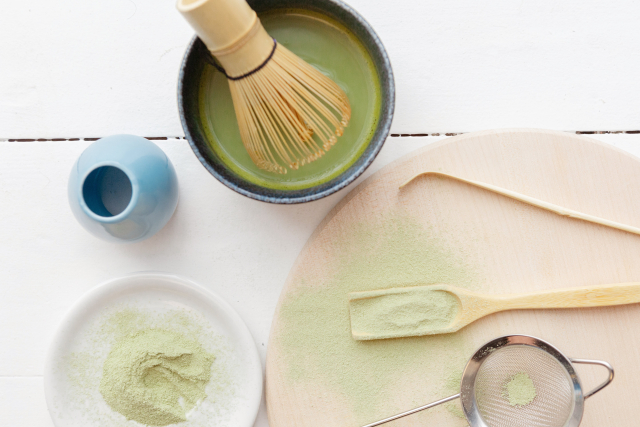
The Spirit of Tea Ceremony
The spirit of the tea ceremony is epitomized by the phrase “Ichigo Ichie,” which means “one time, one meeting” and represents the philosophy of treasuring every encounter as a once-in-a-lifetime experience. During a tea gathering, the host endeavors to provide the utmost hospitality, while guests are expected to gratefully acknowledge this consideration. Everything, from the setting of the tea room to the selection of tea and sweets, and the seasonal flowers or hanging scrolls, is imbued with significance. Thus, the tea ceremony transcends mere ritual to connect the hearts of those involved and elevate their spirituality.

The Role in Contemporary Times
In modern Japan, the tea ceremony is reappreciated as a tranquil space against the backdrop of beautiful Japanese gardens and historic buildings. Through the tea ceremony, Japanese people rediscover their culture and show respect for tradition. Additionally, tea ceremony programs for foreign tourists have become highlights of visits to Japan, serving as venues for non-verbal communication and fostering intercultural understanding. As globalization advances, the tea ceremony continues to gain international recognition as a unique aspect of Japanese culture.

Finally
The tea ceremony offers more than just a way to enjoy a drink; it enriches people’s minds. Its intricate etiquette and profound philosophy serve as a source of fascination worldwide. When visiting Japan, experiencing this valuable cultural practice is highly recommended.
コメント