
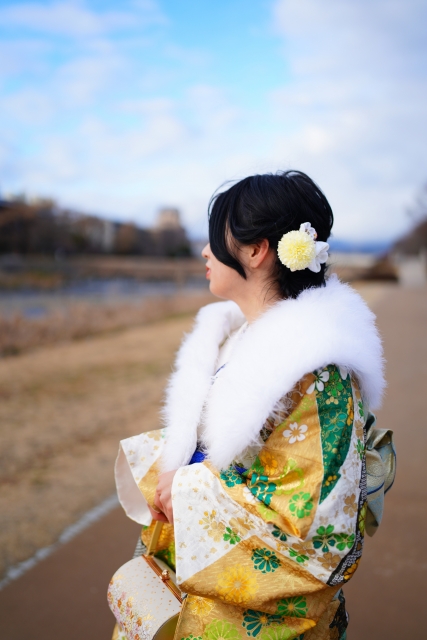

What is Kimono?
Yes, I’m U-shi!
This time, I would like to delve into the details about kimonos!
Suddenly, but do you know anything about kimonos?
Depending on the person, some might know a bit about kimonos or even have worn one before.
A kimono is not just a piece of clothing; it’s an art piece that embodies the spirit and tradition of Japan. Every stitch carries the skilled craftsmanship of the artisans and a deep reverence for nature through the changing seasons.
I hope this blog helps you understand the charm of kimonos!
Now, let’s explore the wonderful world of kimonos together!
Wearing a kimono is an experience that wraps you in the stories of changing seasons, festivals, and centuries-long traditions. This is the essence of the kimono, Japan’s traditional attire, known not only for its aesthetic appeal but also for its deep cultural significance.
History of Kimonos
The kimono, literally meaning “thing to wear,” traces its origins back to the Heian period. Back then, the fashion among the nobility was to wear layered clothing, which has evolved into the modern kimono. As time passed, kimonos became simplified and spread among the general populace.
Structure and Materials of Kimonos
Kimonos are made from a single piece of fabric, worn with the left side over the right. The material changes according to the season and the formality of the occasion, with silk being the most common and luxurious option. Light materials like linen or gauze are used for summer, while warmer fabrics like crepe are used for winter.
Relationship with the Seasons
The Japanese culture cherishes the four seasons, and this is reflected in kimono designs. Spring sees cherry blossom patterns, summer is marked by yukatas, autumn brings maple leaves, and winter is represented by snowflakes.
Types of Kimonos
There are various types of kimonos, each suitable for specific occasions, seasons, ages, and social statuses. For example, furisode are formal wear for unmarried women, tomesode for married women, and tsumugi for casual wear. There’s also a culture of choosing patterns and colors according to the season or event.
Kimono Accessories and Dressing
When wearing a kimono, accessories like the nagajuban (undergarment), obi (belt), tabi (socks), and zori (sandals) are essential. Dressing in a kimono requires skill and knowledge to achieve a beautiful appearance, necessitating practice and understanding.
Finally
How did you find it?
Have you become more familiar with kimonos?
Kimonos are not only beautiful but also reflect the wearer’s personality and lifestyle, conveying Japan’s spiritual culture to the present.
In modern Japan, kimonos are not commonly worn in daily life but are donned for special holidays, weddings, and coming-of-age ceremonies.
There are places all over the country where you can rent kimonos, so why not try wearing one when you visit Japan?
It would surely make for a great memory.
コメント