


Yes, this is U-Shi-.
I am going to write an article about anime!
Everyone, this time the theme of the article is anime!
Do you like anime?
It’s very interesting, isn’t it?
Japanese anime is popular not only in Japan but all over the world.
Nowadays, it is so popular that there are even foreigners who are interested in Japan because of anime.
In this video, I would like to introduce such Japanese anime in detail and in an easy-to-understand way.
If you watch this video until the end, you will be able to learn more about anime, and I think you will come to love it even more.
So let’s get right into the explanation.
Yes, I’m going to start explaining the anime.
First of all, I would like to ask you all one question.
What kind of anime have you ever watched?
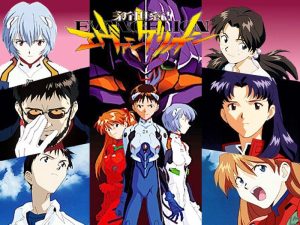
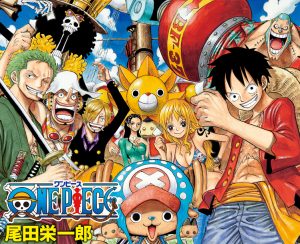
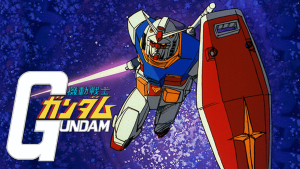
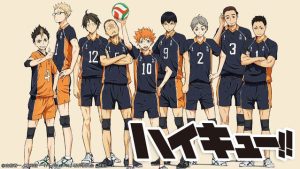

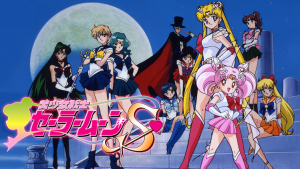
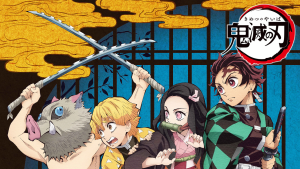
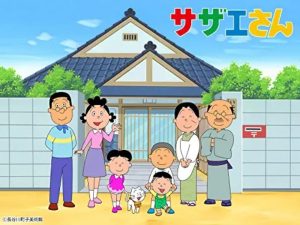

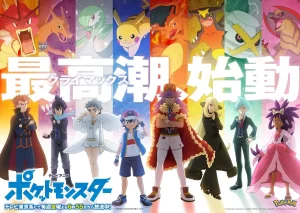


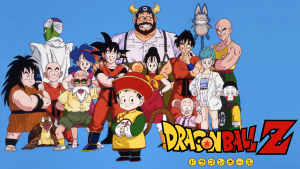
If I were to list the most popular anime in Japan, I would have to say One Piece, Demon Slayer, Naruto, Neon Genesis Evangelion, Dragon Ball, Mobile Suit Gundam, Pokémon, Attack on Titan, etc.
There are so many interesting and wonderful anime made in Japan that I can’t even begin to count them all.
There are so many.
Do you have a favorite anime among them?
This time, I wanted to introduce to you some popular anime scenes, saying “This is Japanese anime”, but due to copyright and other issues, I can’t let you watch them.
However, in the animation explanation video on Yutube, I am making an animation using one of my animation techniques, parapara manga.
I am doing my best to write it in my own bad way, so please take a watch.
Explanation of the Anime
Now, let’s get started with an explanation of animation.
From now on, I will mainly explain how Japanese animation was created.
Anime is an abbreviation for animation, and refers to pictures or puppets with slightly different movements and shapes that are shot frame by frame and made to appear to move in succession.
The first animation was made in Japan in 1917.
This was in response to the popularity of animated shorts from outside Japan, such as those imported by Disney in 1917, and at the same time, three Japanese people created animation.
Initially, most of the animations made were short films of a few minutes in length, as in other countries.
In the early days of anime production in Japan, it was not possible to streamline the production process, and the Japanese anime market was more interested in American animation, which was of higher quality than Japanese animation.
However, when the war broke out, American films were banned from import, and the government began to put more money into domestic animation.
This ultimately led to the development of Japanese animation.
After the war, TV animation was launched in 1953.
In 1956, “Toei Doga” was established and produced Japan’s first full-length color animated film “Hakujyaden”.
They aimed to become the “Disney of the East” in their animation production, and “Hakujyaden” was imported outside of Japan as they had planned.
Have you ever wondered what this “Hakujyaden” is all about?
I searched for this “Hakujyaden” and found a video on YouTube.
It is a work from about 60 years ago, but I was amazed at the high quality, as if I was watching a modern animation.
I’ve included the URL in the summary section, so please take a watch.
Then, in 1961, Osamu Tezuka, the “God of Manga,” appeared.
In that year, Osamu Tezuka established 「Mushi Production」, which produced Japan’s first full-scale animated television series, Astro Boy.
It is said that Astro Boy created the basic form of Japanese television animation, a half-hour program broadcast once a week.
When anime first became popular in Japan, it was accepted by the younger generation and was especially popular among children.
Adults were more interested in the period dramas and home dramas that were being watched and were less interested in anime.
Perhaps because of this, most of the successful early animated films were aimed at children.
Most of the cartoons produced in the 1960s and 1970s were aimed at children (under 12 years old).
In the 1970’s, anime was recognized by the general public with the success of an anime movie.
That anime movie was “Space Battleship Yamato”.
The success of this movie became a social phenomenon, which led to the production of many more animated movies in Japan.
In the 1980s, many new movies were produced, such as “Mobile Suit Gundam” and “AKIRA”.
In particular, “AKIRA” was a hit overseas, and became the trigger for Japanese animation to be recognized around the world.
It was also around this time that Hayao Miyazaki of Studio Ghibli fame appeared on and released “Nausicaa of the Valley of the Wind” in 1984.
Although the film was not a box office hit, it won domestic and international awards, and Hayao Miyazaki’s name became widely known throughout the world.
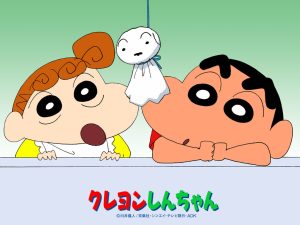
In the 1990s, popular animated TV series such as “Chibi Maruko-chan” and “Crayon Shin-chan” began to be broadcast.
In the latter half of the 1990s, “GHOST IN THE SHELL” and “Neon Genesis EVANGELION” became popular,
and “GHOST IN THE SHELL” in particular was a huge hit in the U.S. as it promoted Japanese science fiction culture to foreign audiences.
In the 1990s, various popular manga series such as ONE PIECE and NARUTO started to be serialized, and each of them became more and more popular as they were adapted into anime.
In the 2000s, the number of anime series increased almost steadily up to the present day, and the momentum of the manga market and the anime market reversed.
Nowadays, the mainstream is to enjoy both manga and anime as a single work.
Yes, that’s it for anime.
Lastly
Yes, I have explained the anime so far, but did you all understand it?
I am not very good at drawing, so I had a lot of trouble drawing the work I am showing you on Yutube.
I really felt firsthand how amazing the people who make anime and manga are.
I would like to thank everyone in the anime and manga industry for always making interesting anime and manga.
Nowadays, anime and manga have become indispensable entertainment in our lives.
Let’s all continue to love these wonderful Japanese anime and manga.
コメント