
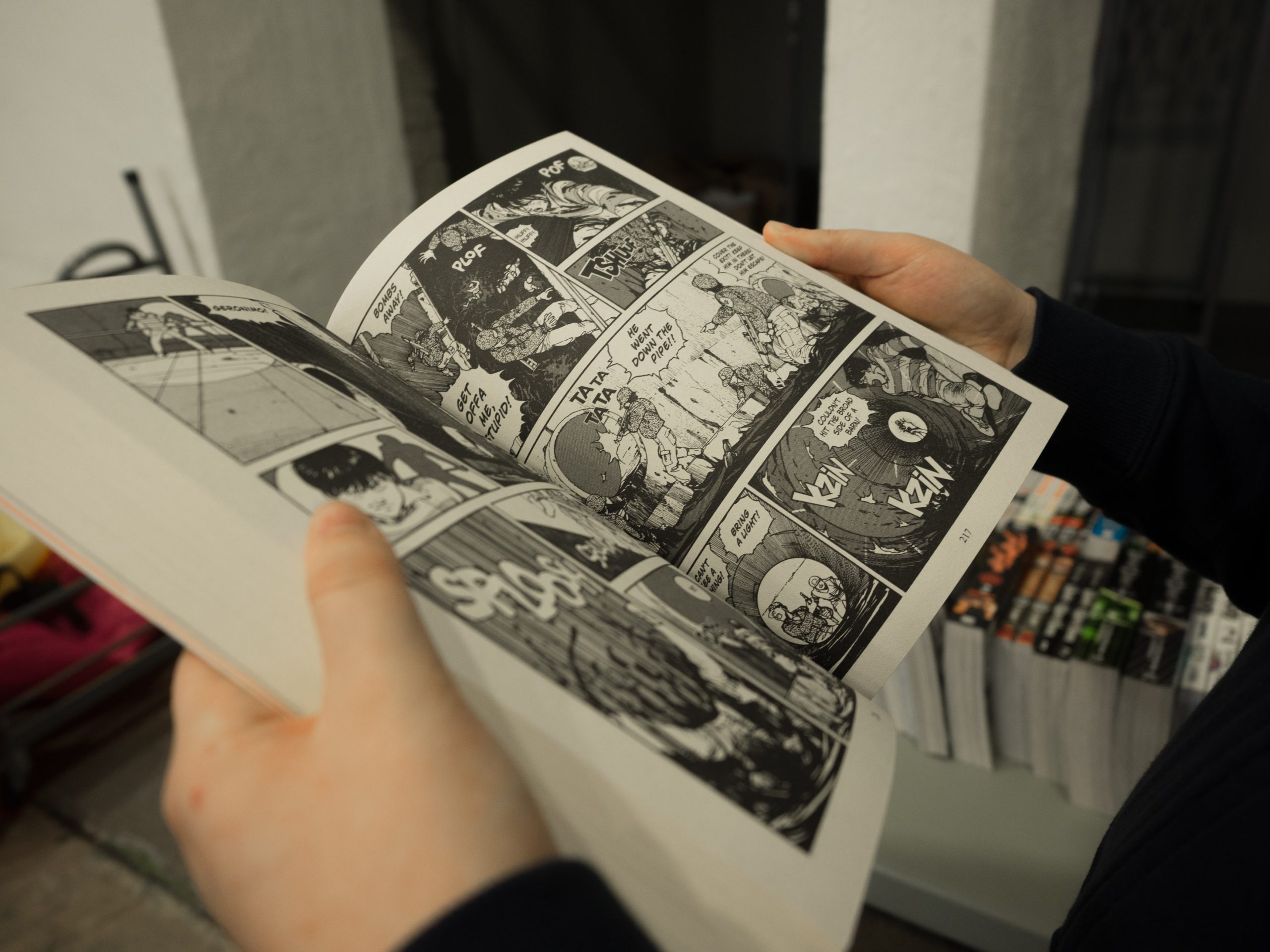

Yes, this is U-Shi-.
I am going to write an article about manga.
Have you ever read manga?
Japanese manga is very interesting, isn’t it?
Japanese manga is very popular overseas because of its unique and delicate drawing touch and complex and deep expressions and stories.
Currently, the world’s mainstream manga culture is dominated by American comics, bandes dessinées, which are read mainly in France and Belgium, and Japanese manga.
Nowadays, manga can be broadly categorized into shonen manga, shoujo manga, seinen manga, and manga for adults, and has developed into a form of entertainment that can be enjoyed by people all over the world, from children to adults.
I would like to explain in detail about these deep and interesting Japanese manga.
I believe that this video will answer any questions you may have had about manga and help you understand the origins of manga in Japan.
Watch this article to the end to learn more about the manga.
Appearance of a manga book
First of all, I’ve prepared some famous Japanese manga to make it easier for you to imagine Japanese manga.
Here you go.
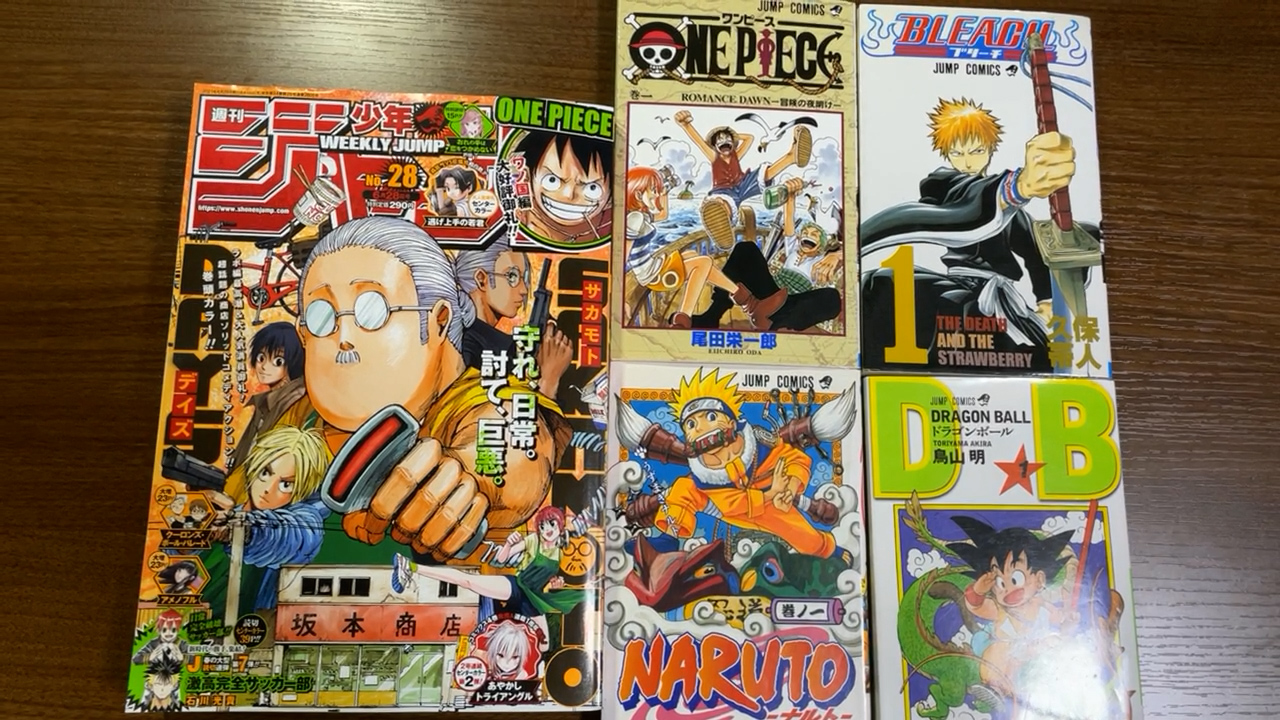
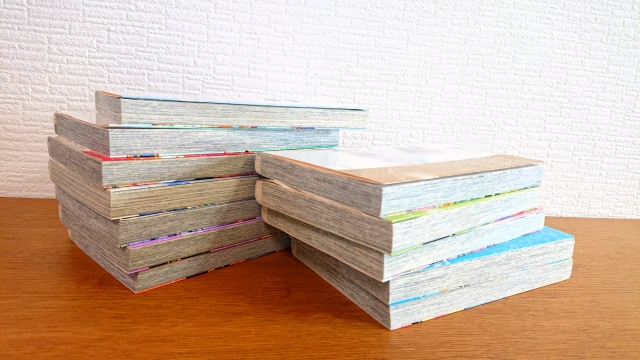
Here are the manga I prepared this time.
ONE PIECE
NARUTO
Dragon Ball
BLEACH
Weekly Shonen Jump
There are other famous cartoons besides these, but we have prepared these cartoons for you this time.
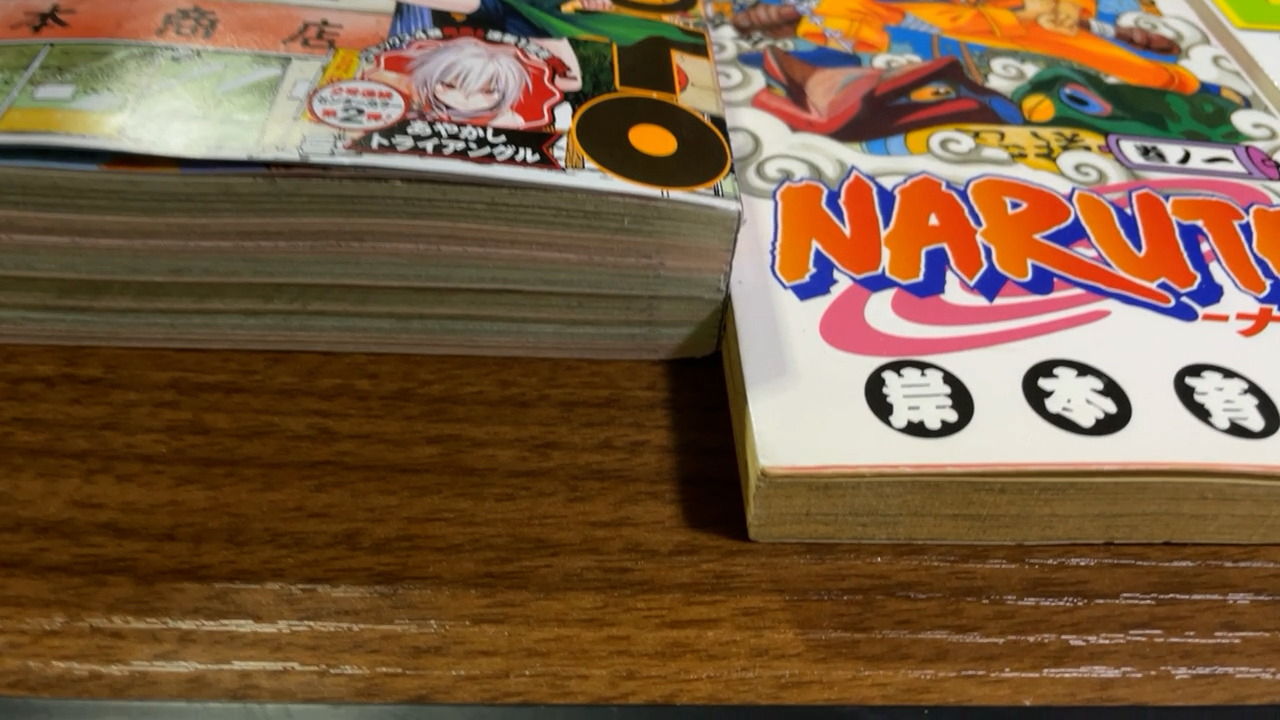
These are all manga, but they look different in terms of the size of the book and the thickness of the book.
First, I will explain why these look different, and then I will explain the manga.
Try reading them!


Why does it look different?
I will explain why they look different.
These two are called by different names.
These four books are called Tankoubon.
This Weekly Shonen Jump is called a comic magazine.
A comic magazine is a book that contains many types of manga, and each time it is released, it contains the latest story of each manga.
And a book is a collection of several weeks of a single manga series from a manga magazine in one book.
So the book only contains the story of each manga, while the comic magazine contains the latest stories of many different manga, so they look different.
Did you all understand this?
Now that you know the difference between a book and a comic magazine, I will now explain manga.
Explanation of the manga
I’m going to explain manga now, but since manga is very deep, I’ll divide it into three parts to make it easier for you to understand.
First, what is manga?
The second is the types of manga.
The third is the history of manga.
I will explain each in detail.
So let’s get started.
What is manga?
First, an explanation of what a manga is.
A manga is a…
It seems that any drawing that is intended to entertain the viewer or convey some message can be considered a cartoon, but that seems a little confusing.
To make it easier for you to imagine what manga is, I would like to explain what is often called manga in Japan, saying that there is no clear definition of manga.
It is an entertaining (and sometimes satirical) depiction of an event or story using mainly pictures with frame divisions and supplemented by dialogue and onomatopoeia.
Isn’t that easy to understand?
Now let’s take a look at how the contents of a manga are actually drawn.
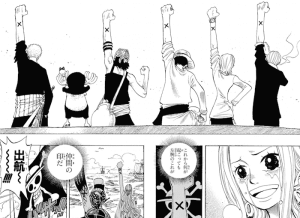
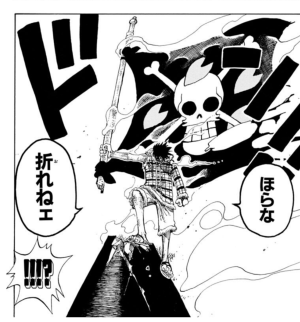
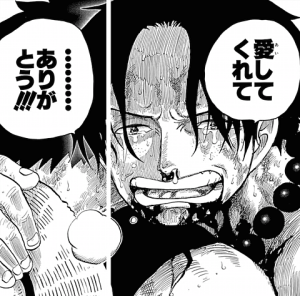
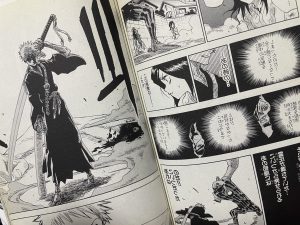
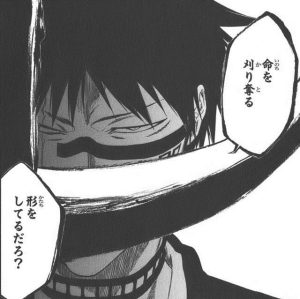
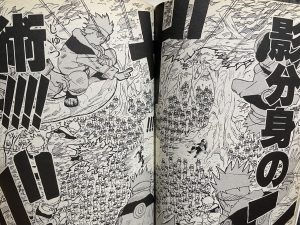
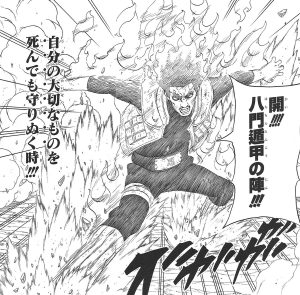
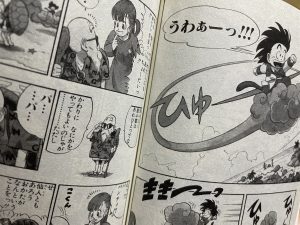
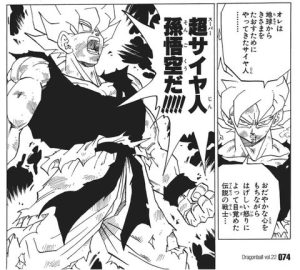
Yes, these are Japanese manga.
Just by looking at one page, you can picture the scene of each manga in your mind.
They are all very impressive scenes.
What did you think?
The drawings are very good and delicate, and the stories are interesting.
Manga artists are truly amazing.
Thank you for always drawing interesting manga.
In Japan, manga is commonly referred to as “漫画,” “マンガ,” “まんが,” or “コミック.
The etymology of the word manga literally means “a picture drawn randomly at will,” but there are many theories as to why it was given that name, and it is not clear.
Types of Manga
Next, I will explain the different types of manga.
There are two main types of manga.
These two types are cartoons (single-panel cartoons) and comics (panel cartoons).
Cartoons are “playfulness” or “satirical” single-page drawings, mostly caricatures, caricatures, and doodles.
And comics are stories created by combining pictures and words with “playfulness” and “messages,” and refer to comic cartoons, animations, and plays.
History of Manga
In this last section, I will explain the history of manga.
I will explain how Japanese manga was created from the beginning to the end, so please feel free to read it, although it will be a bit long.
If the history of manga is based on the assumption that manga includes graffiti, then what remains today as works of art are those from the 12th and 13th centuries, and that is where the history of manga in Japan began!
-
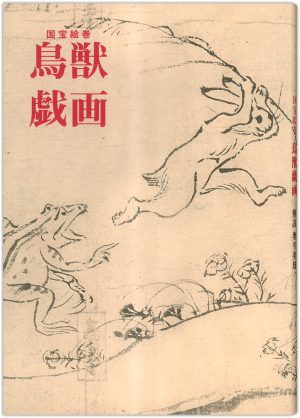
- Japan’s oldest manga
-

- This manga from the 18th and 19th centuries
-
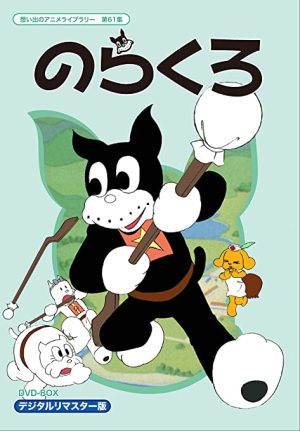
- This is a manga from the 1940s
In the 18th and 19th centuries, with the development of printing technology, manga spread as a popular culture and began to flourish as a familiar pastime for people.
From the 19th century to the first half of the 20th century, as many foreigners and cultures from overseas entered Japan, the manga culture developed further.
Comic magazines were born one after another, and satirical cartoons that influenced people’s way of life and society became popular, giving birth to many manga artist.
As the popularity of manga increased, the impact of manga on society became greater and greater.
Therefore, in the early 1940s, as the war intensified, there were a series of manga cancellations and the discontinuation of popular manga series, and manga ceased to be a part of people’s lives.
However, with the end of the war, the history of manga began to move again.
After the war, comic magazines were reprinted without waiting for reconstruction, and popular comics began to be serialized again.
You can feel the strong will of the people who were involved in manga at that time to revive Japan with manga.
Then the era entered the 1950s.
The history of manga grew and evolved with the appearance of a god in this year.
That god of manga is Osamu Tezuka.
-
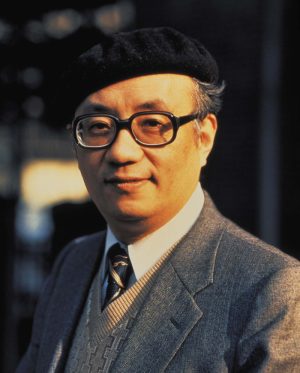
- Osamu Tezuka
-
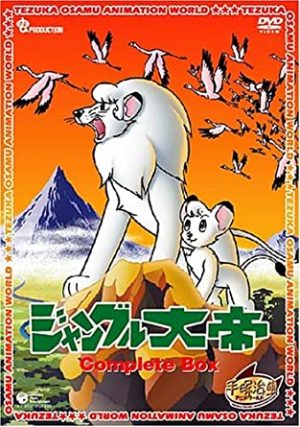
- Jungle Emperor Leo
-
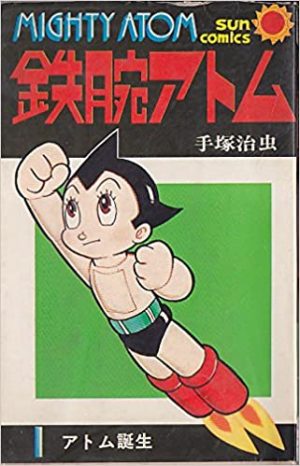
- Astro Boy
-
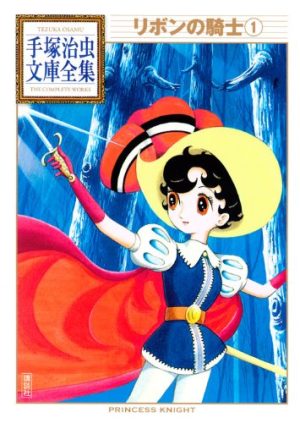
- Princess Knight
-
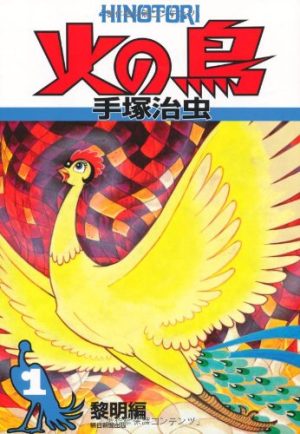
- Phoenix
He revolutionized the world of manga by incorporating elements from Disney animation and movies, creating the basis for modern manga, and making a full-fledged foray overseas.
Osamu Tezuka’s representative works include “Jungle Emperor Leo,” “Astro Boy,” “Princess Knight,” and “Phoenix.
Tezuka Osamu is also said to be the foremost authority on story manga.
Osamu Tezuka, who was also a movie buff, established the foundation of attractive story manga by experimenting with elements from movies, such as dramatic developments and bold cuts.
Osamu Tezuka’s manga evolved into a manga that readers and viewers could relate to and be moved by, with characters who had previously been immortal and had never grown up dying or growing up, and characters’ inner lives being depicted.
Osamu Tezuka’s manga evolved into a manga that readers and viewers can relate to and be moved by.
If it were not for Osamu Tezuka, we might not have the inspiring manga and anime we have today.
Osamu Tezuka’s achievements in creating the foundation of manga and expanding the world are truly great.
After the arrival of Tezuka Osamu, his way of thinking and writing was passed down to his generation and to future generations of manga artists and their works.
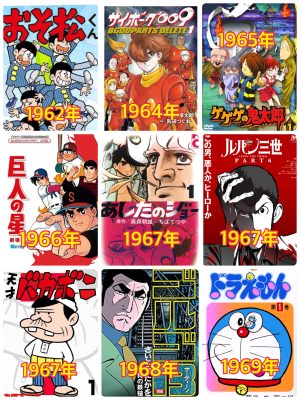
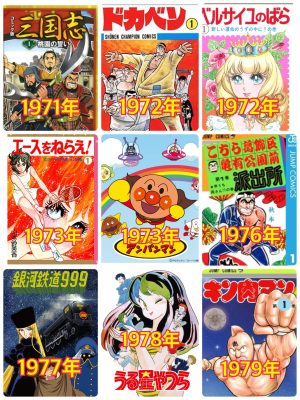
In the 1960s, we saw the emergence of “Gegege no Kitaro,” “The Star of the Giants,” “Lupin III,” “Golgo 13,” “Doraemon,” and other representative Japanese manga.
In the 1970s, “Rose of Versailles” and “Ace wo Nerae” became hits, igniting the girls’ manga genre.
These are the manga that became hits in the 1970s.
In the latter half of the 1970s, the trend from serialization to book publication, which had not been common in the past, took root.
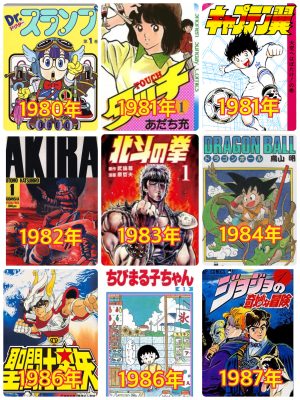
In the 1980s, Akira Toriyama, who was recognized by Osamu Tezuka as his successor, came into his own.
It is said that with the arrival of the genius Akira Toriyama, manga evolved from flat pictures (2D) to pictures with three-dimensional depth (3D).
These are the manga that became hits.
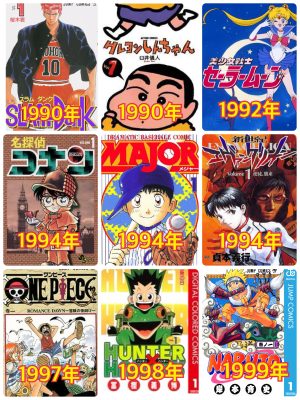
Then came the 1990s.
With the advent of the Internet in the 1990s, the range of genres expanded, and maniacal works became hits.
Also, in 1994, the manga magazine I mentioned earlier, Weekly Shonen Jump, reached a record high circulation of 6.63 million copies, marking the golden age of Jump.
Here are some of the manga that supported the golden age, as well as manga that became hits in other magazines.
It was also during this period that “Pokémon,”(pocket Monster) a manga animation derived from the game, appeared and became a worldwide hit.
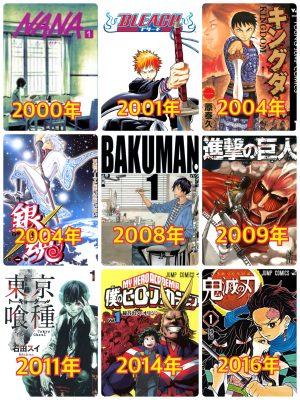
In the 2000s, it is said that youth manga tends to be more popular than shonen and shoujo manga, partly due to the declining birthrate in Japan.
These are the main hit manga.
Looking at these, you can see that genres are becoming more diverse than ever.
Also, in Japan, “light novels” (manga x novels) have become popular, and some works have been made into anime from them.
Recently, e-books and manga apps have appeared on the scene, and new manga forms and works continue to be created in various streams.
So far, this is the explanation of manga.
Lastly
Yes, what did you think of the video?
It was very long, wasn’t it?
I’m tired too.
I made this video because I wanted to let everyone know about the manga.
Did you understand what manga is?
There are so many interesting Japanese manga and I’m really looking forward to seeing how each manga ends up.
Right now, U-shi- is also reading a lot of interesting manga.
From now on, I would like to introduce you all to some of the recommended manga that U-shi- is reading, so please look forward to that video as well.
I hope that by watching these videos, you will come to love Japanese manga even more.
コメント